How AI is Making Classrooms Smarter
August 5, 2025
📚 1. Personalized Learning for Every Student
AI-powered learning systems can assess a student’s strengths and weaknesses in real time. Based on this data, these platforms adapt lessons to fit the individual’s pace and understanding.
For example, if a student is excelling in math but falling behind in reading, the AI will offer additional reading exercises while continuing to challenge them in math. This personalized learning with AI ensures no student is left behind.
🧑🏫 2. Smart Assistants for Teachers
Educators are increasingly turning to AI-driven tools to streamline their workload. Smart teaching assistants and chatbots handle repetitive tasks like grading, attendance tracking, and responding to frequently asked questions.
By automating these time-consuming activities, teachers can focus more on meaningful interactions, mentoring, and lesson planning—making AI teaching tools a game-changer for modern classrooms.
🎓 3. Predictive Analytics for Student Success
One of the most powerful uses of AI in education is predictive analytics. By analyzing past and current student data, AI systems can identify patterns that indicate potential academic struggles.
Schools and colleges can then step in early with interventions such as tutoring sessions, counseling, or parental engagement—dramatically improving student outcomes and retention rates.
🖥️ 4. Enhanced Engagement with Smart Classroom Technology
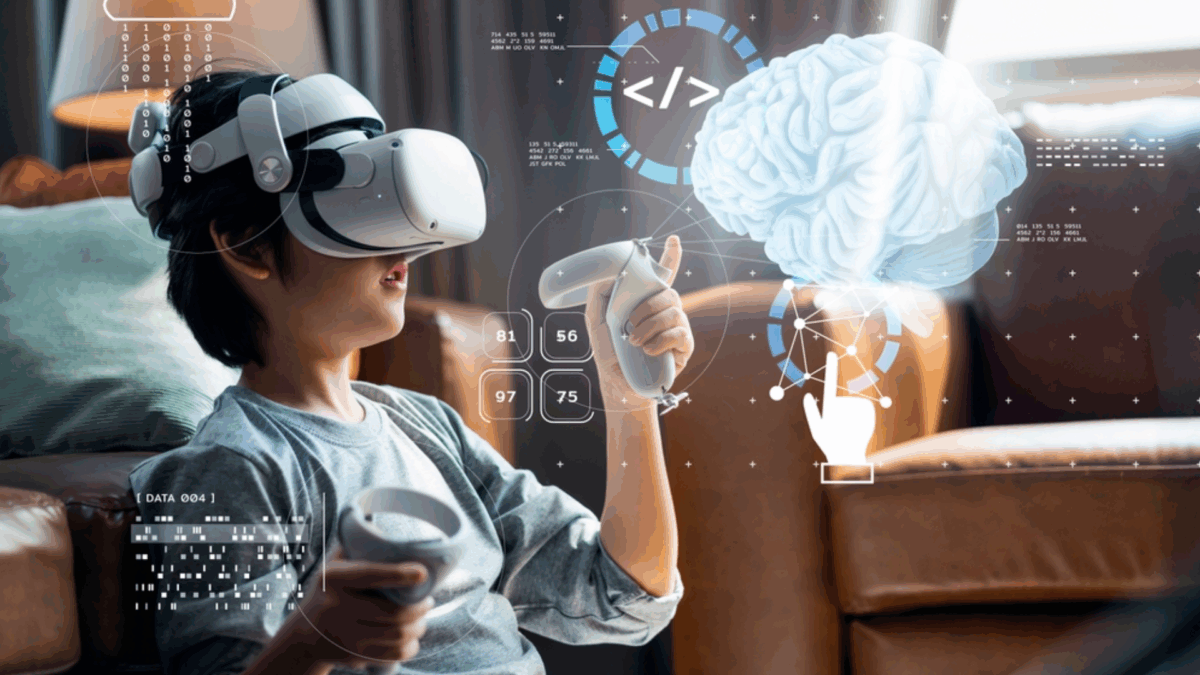
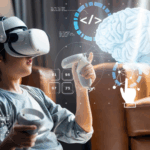
Smart classroom technology fueled by AI is making learning more engaging and interactive. Imagine a science class where students explore the human body through AR, or solve real-world problems using gamified learning platforms.
Voice-enabled smartboards, adaptive quizzes, and immersive simulations are making subjects—especially STEM—more approachable and fun for students of all ages.
🧩 5. Inclusive Education Through AI
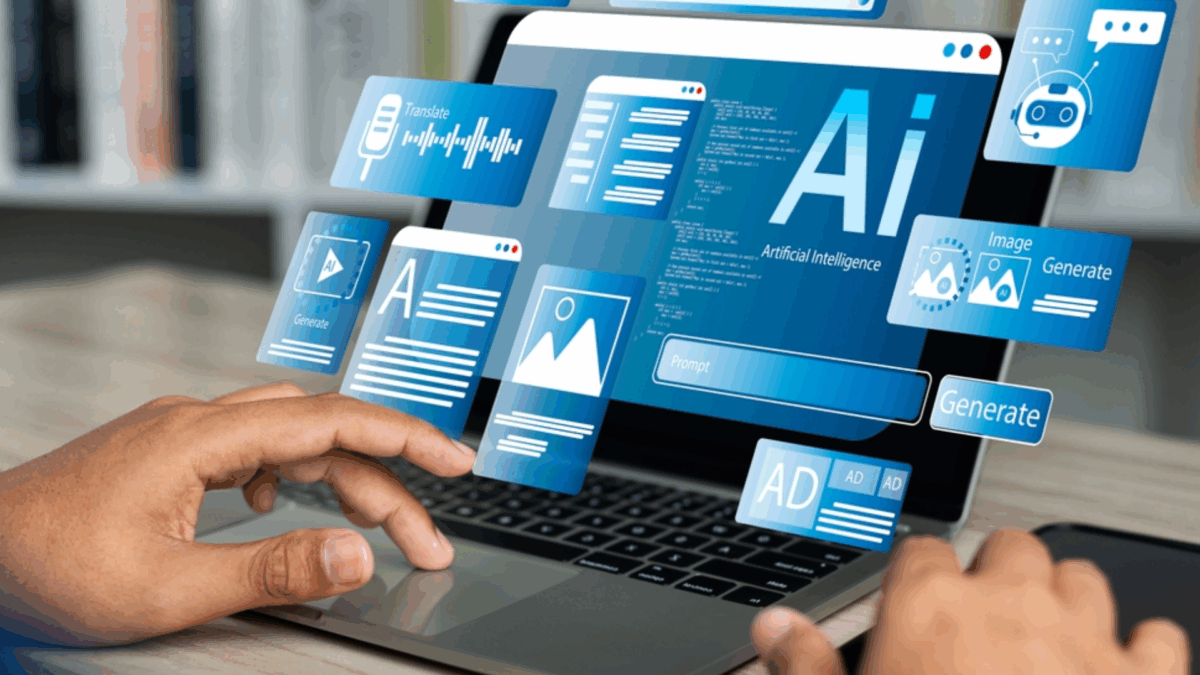
AI is helping break down barriers in education. Tools like real-time translation, text-to-speech, and speech recognition make learning more accessible for students with disabilities or language differences.
This inclusivity allows every student to participate and thrive, regardless of their background or learning needs.
🌟 Conclusion: The Future of Education is Intelligent
AI is not here to replace teachers—it’s here to empower them. With the thoughtful integration of artificial intelligence, schools and colleges can offer smarter, more inclusive, and customized education experiences.
The classroom of the future isn’t just digital—it’s intelligent, responsive, and built to support every learner’s journey.